
A captivating smile can improve confidence, facial appearance, and everyday social interactions. Building and maintaining that smile starts with consistent habits, smart food choices, and professional guidance when needed. These dentist-approved tips can help support stronger teeth, healthier gums, and a brighter smile over time.
1. Consistent Oral Hygiene
Brushing twice a day is one of the most important habits for protecting your teeth. Use a soft-bristled toothbrush, fluoride toothpaste, and gentle circular motions along the gumline. A dentist may recommend brushing for at least two minutes to remove plaque without damaging enamel or irritating the gums.
Flossing is just as important because brushing cannot fully clean between teeth. Daily flossing removes trapped food particles and plaque from areas where cavities and gum inflammation often begin. According to Dental Health Today, neglecting flossing means missing 40% of your teeth’s surface area, which gives plaque and bacteria more room to build up.
Mouthwash can also support your routine when used correctly. Antimicrobial rinses may help reduce bacteria, while fluoride rinses can strengthen enamel. A dentist can help you choose the right product based on your needs, especially if you have sensitivity, dry mouth, or frequent cavities.
Consistency is what makes these habits effective over time. Skipping even a few days can allow plaque to harden into tartar, which requires professional removal. Building a daily routine and sticking to it helps create long-term protection and reduces the risk of sudden dental issues.
2. Smart Toothbrush Choices
The right toothbrush can make daily cleaning more effective. Electric toothbrushes are often helpful because built-in timers and steady brush movement make it easier to clean thoroughly. Manual toothbrushes can also work well when used with proper technique and replaced every three to four months.
Brush size matters, too. A smaller brush head may make it easier to reach back teeth, while soft bristles help protect enamel and gum tissue. If the bristles are bent or frayed, the toothbrush will not clean as effectively and should be replaced sooner.
It is also helpful to store your toothbrush properly. Allowing it to air dry and keeping it upright reduces bacterial growth. Avoid covering it in a sealed container, as trapped moisture can encourage bacteria to multiply.
3. Nutrition for Strong Teeth
Your diet plays a major role in the health and appearance of your smile. Calcium-rich foods such as dairy products, leafy greens, and fortified alternatives help strengthen tooth enamel. Crunchy fruits and vegetables can also support saliva flow, which helps rinse away food particles and neutralize acids.
Sugary and acidic foods should be limited because they increase the risk of enamel erosion and cavities. Soda, candy, citrus drinks, and sticky snacks can leave acids or sugars on the teeth for long periods. Drinking water after meals and snacks can help reduce this impact.
Hydration is another simple but powerful habit. Water supports saliva production, helps wash away debris, and keeps the mouth from becoming too dry. A dentist may also recommend dietary changes or supplements if enamel weakness, gum concerns, or dry mouth are ongoing issues.
Timing also matters when it comes to eating habits. Frequent snacking can expose teeth to repeated acid attacks, so spacing out meals and choosing healthier options can reduce the risk of decay while supporting overall oral balance.
4. Stain Prevention Habits
Coffee, tea, red wine, and dark-colored sodas can stain enamel over time. These drinks contain pigments that cling to tooth surfaces and gradually dull the brightness of your smile. Drinking through a straw, rinsing with water, and brushing at the right time can help reduce discoloration.
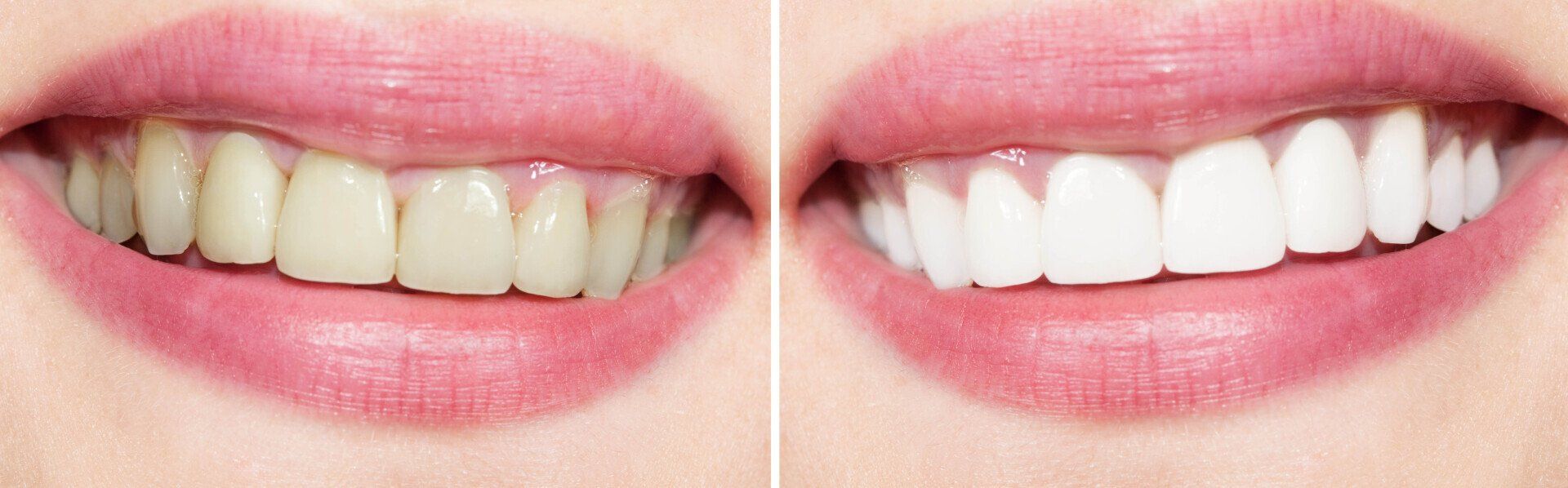
Whitening toothpaste may help with surface stains, but deeper discoloration may require professional care. Before starting whitening products, it is wise to speak with a dentist, especially if you have crowns, veneers, fillings, or tooth sensitivity.
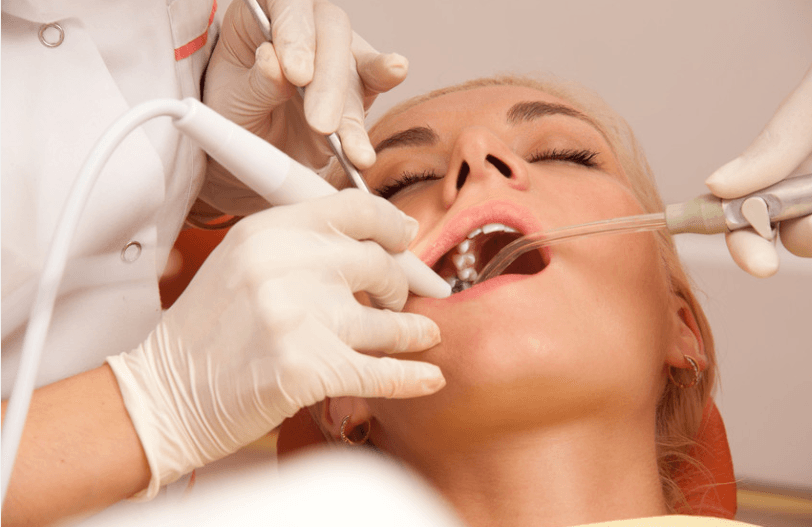
Regular cleanings can also play a role in stain prevention. Removing buildup and polishing teeth helps maintain a brighter appearance and can prevent stains from becoming more noticeable over time.
5. Preventive Dental Care
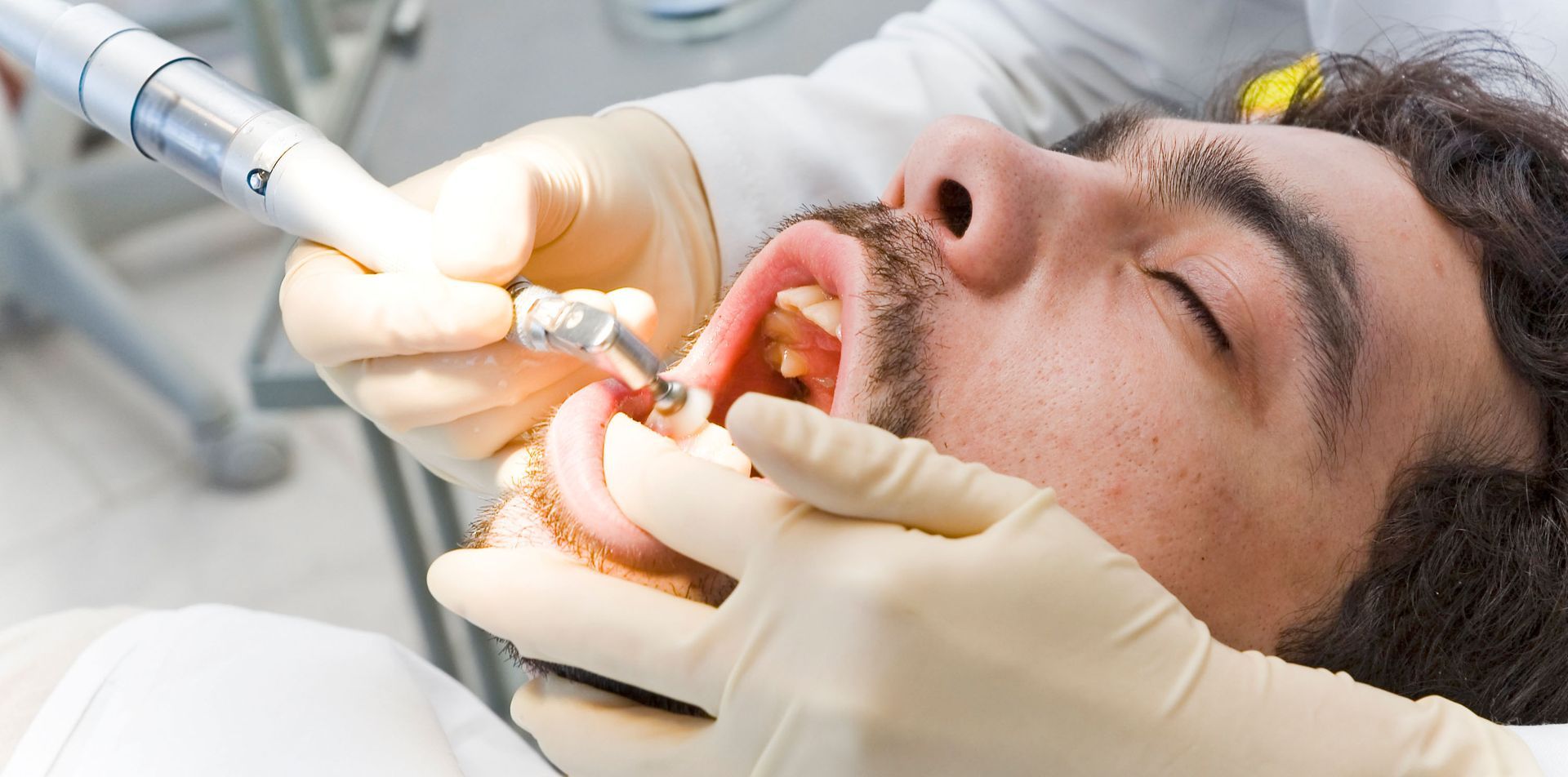
Professional cleanings are important because tartar cannot be removed with regular brushing and flossing. Routine visits also allow small issues to be found before they become more expensive or uncomfortable. During an exam, a dentist may check for cavities, gum disease, bite concerns, oral cancer signs, and other changes.
Preventive treatments can provide added protection. Fluoride treatments help strengthen enamel, while sealants can protect the chewing surfaces of molars from trapped food and plaque. These options are especially helpful for children, teens, and adults who are prone to cavities.
Staying on a regular visit schedule can also help track changes in your oral health over time. This allows for early intervention and more conservative treatment options when problems are detected quickly.
6. Cosmetic and Corrective Options
Dental treatments can improve both appearance and function. Teeth whitening can brighten a smile, while veneers may improve the look of chipped, uneven, or discolored teeth. Orthodontic treatments such as braces or clear aligners can also make teeth easier to clean by improving alignment.
Corrective care is not only about appearance. Properly aligned teeth can reduce uneven wear, improve chewing, and support healthier gums. If a treatment plan feels unclear or costly, asking questions or seeking a second opinion can help you make a more confident decision.
Modern cosmetic options are designed to look natural and last longer than ever before. Working with an experienced provider helps ensure that results blend seamlessly with your existing teeth and overall facial features.
7. Healthy Lifestyle Choices
Tobacco use can stain teeth, worsen breath, increase gum disease risk, and raise the risk of oral cancer. Quitting tobacco can lead to healthier gums and a cleaner-looking smile. Limiting alcohol can also support oral health because alcohol may dry the mouth and contribute to irritation.
Stress can affect dental health as well. Teeth grinding and clenching may cause chips, sensitivity, jaw discomfort, or worn enamel. A dentist may recommend a custom night guard if grinding is causing damage during sleep.
Getting enough sleep and managing stress through healthy routines can also support oral health. These factors influence immune response and healing, which play a role in gum health and overall comfort.
8. Modern Dental Technology
Modern tools can make dental care more accurate and comfortable. Digital imaging, 3D scans, laser treatments, and smart oral care products help improve diagnosis, planning, and daily hygiene. Water flossers and electric toothbrushes can also make home care easier for people with braces, bridges, or limited dexterity.
Tele-dentistry may help with basic consultations, follow-ups, and early guidance when an in-person visit is not immediately possible. While it does not replace hands-on exams, it can support better care continuity and help patients address concerns sooner.
Advancements in technology also mean shorter appointment times and more precise treatments. This can improve patient comfort and lead to better long-term outcomes with less disruption to daily life.
9. Family Oral Care Routines
Family participation can make oral hygiene more consistent for everyone. Brushing and flossing together helps children learn by example and makes dental care feel like a normal part of daily life. Visual charts, songs, and small rewards can make routines more engaging for younger children.
Encouraging open conversations about dental health can also build confidence in children. Teaching them why these habits matter helps them carry strong routines into adulthood and maintain lifelong oral health.
A gorgeous smile comes from steady habits, not occasional effort. Brushing, flossing, drinking water, eating nutrient-rich foods, avoiding tobacco, and keeping up with professional care all work together. With the right routine and guidance from a dentist, you can protect your oral health while keeping your smile bright, comfortable, and confident. Contact ProSmile Dentistry today and learn more about our dental services.

Share On: